



AgileMod containment data center for CPPA-G
A dual-row, six-rack cold-aisle containment system with overhead cable trays and multi-factor access control for Pakistan's Central Power Purchasing Agency.
Read ATTOM case studyMMC PAKISTAN �� Liquid Cooling System
Compare ATTOM immersion, cold plate and rear-door liquid cooling systems. Discuss server compatibility and heat rejection requirements with MMC.






















Liquid cooling must be chosen with the compute equipment, not added as an isolated facilities purchase. MMC supplies ATTOM liquid cooling options for projects across Pakistan. Start with the server manufacturer’s supported cooling method, then trace the complete heat path from component to final rejection.
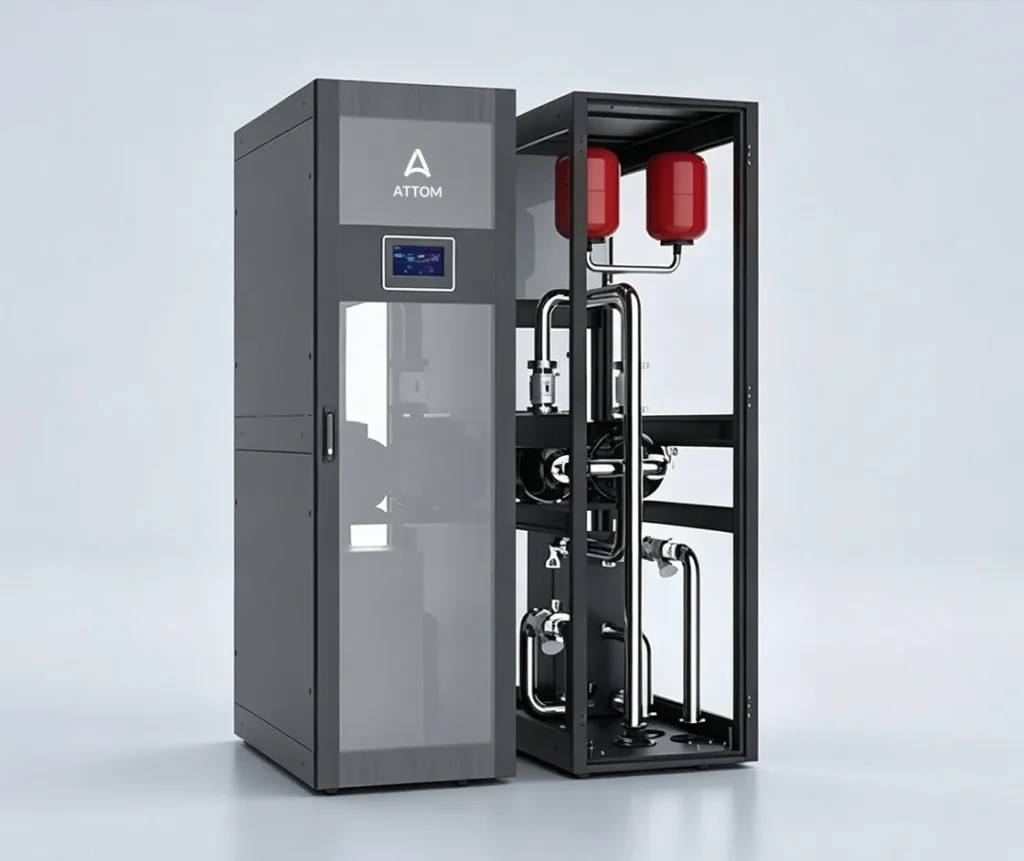
Direct-to-chip systems transfer heat through supported server interfaces and a coolant distribution arrangement. A rear-door heat exchanger addresses heat at the rack exhaust. Immersion places suitable equipment in a compatible fluid environment and changes handling and maintenance procedures.
| Option | Best considered for | Check before selection |
|---|---|---|
| Direct-to-chip | Servers designed for supported liquid interfaces | CDU, water loop, server compatibility and residual air heat |
| Rear-door heat exchanger | Heat removal at the rack exhaust | Rack fit, water conditions, pressure and service access |
| Immersion | Hardware and operations suitable for fluid immersion | Fluid compatibility, equipment preparation and component handling |
Three ATTOM liquid cooling approaches for AI, GPU and HPC racks.
ATTOM’s direct-to-chip (cold plate) system for AI, GPU and HPC servers. A 19-inch rack CDU delivers up to 50 kW in 6U.
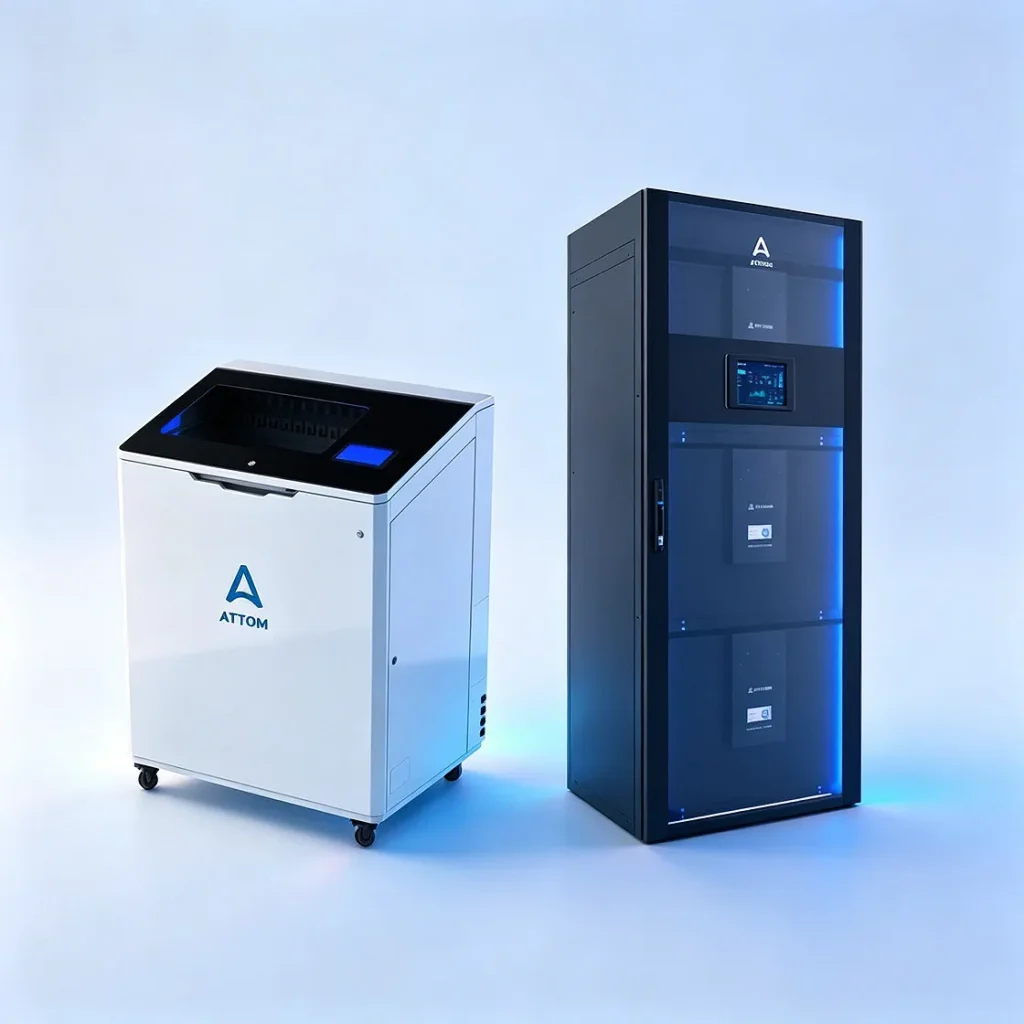
Servers submerged in a non-conductive dielectric fluid, supporting up to 50 kW per tank with no mechanical refrigeration.
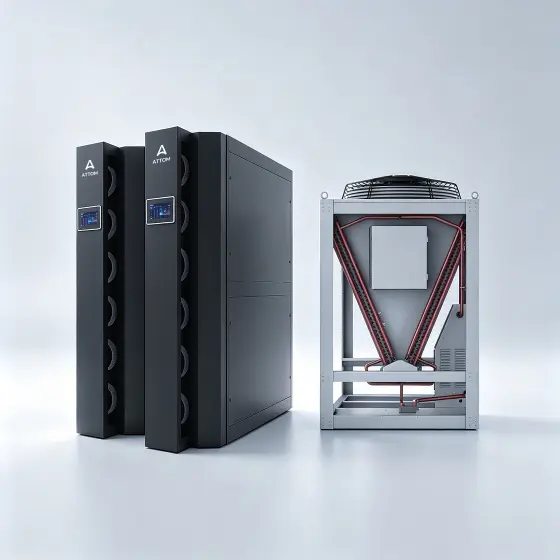
Replaces the rear door with a refrigerant-based heat exchanger, removing up to 30 kW at the source before hot air reaches the room.
Cooling works best alongside the racks, power and monitoring around it.


Banks, regulators and enterprises across Pakistan rely on MMC for infrastructure, security and support.
“MMC provided a professional and reliable technology solution that aligned perfectly with our operational requirements. Their team was responsive, knowledgeable, and focused on delivering results.”
“Working with MMC gave us greater confidence in our technology infrastructure. Their technical expertise and commitment to quality made the entire process smooth and efficient.”
“From consultation to implementation, MMC demonstrated strong technical knowledge and excellent customer support. They understood our requirements and delivered a practical solution.”
Deployments of ATTOM, the data center brand MMC supplies, installs and supports in Pakistan. Case studies published by ATTOM.
A dual-row, six-rack cold-aisle containment system with overhead cable trays and multi-factor access control for Pakistan's Central Power Purchasing Agency.
Read ATTOM case study
A high-security container data center with bullet-resistant protection, access control and redundant power, delivered on a shorter timeline with efficient cooling.
Read ATTOM case study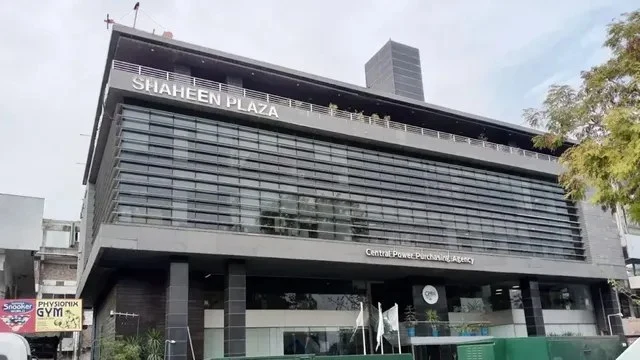
A containerised data center with redundant power, precision cooling and real-time monitoring, part of MSU's move to a smart campus.
Read ATTOM case studyBook a discovery call. We'll understand your requirements and recommend the right mix of products and services.
Tell us your rack heat load and server platform, and MMC will help select direct-to-chip, rear-door or immersion cooling.
Get in touchConfirm manufacturer support for the exact server and cooling interface before selecting the infrastructure.
Not necessarily. Account for components and equipment that still release heat into the room.
Include the available water or facility loop, temperatures, quality, pressure limits, heat rejection and ownership of the connections.
RDHx works with standard air-cooled servers up to about 30 kW per rack. Above that, consider direct-to-chip or immersion.
Plan with MMC
Liquid cooling needs coordination between the IT equipment, fluid circuit and heat rejection system. Compare the available approaches against rack density and equipment compatibility.
Provide server specifications, expected heat loads and the equipment manufacturer’s cooling requirements. Identify facility water or external heat rejection options.
Clarify responsibilities for cooling distribution, fluid quality, leak monitoring and maintenance. Confirm compatibility and installation boundaries in the design.
Our reach
 Pakistan
 USA
 Australia
 Belgium
 Paraguay
 Denmark
 UK
 Afghanistan
 Philippines
 Turkey
 Thailand
 Canada
 Sweden
 Singapore
 Colombia
 UAE
 New Zealand
 Kyrgyzstan
 France
 Switzerland
 Tanzania
 Uganda
 Tajikistan
 China
 Italy
 Finland
 Qatar
 Zimbabwe
 Saudi Arabia